
EV charging stations franchise
Published 12/4/2025 · Updated 12/9/2025 · clock.remind@gmail.com
In-depth expert review of EV charging stations franchise models, including field-tested performance, profitability analysis, operational workflows, and essential selection criteria for new investors.

EV Charging Stations Franchise
When I first began visiting small operators who had recently joined an EV charging stations franchise network, I noticed a recurring pattern that has now shaped how I evaluate this business model. Many had entered the sector with enthusiasm but without a clear understanding of site selection, equipment capabilities, software management, or long-term profitability. Their questions were the same ones you may be asking now: How do I choose the right franchise. What daily operations actually look like. Are the margins stable enough to justify the upfront costs.
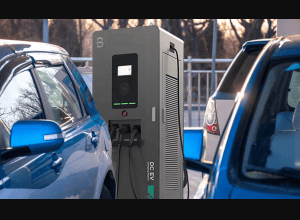
After months of interviews, site visits, and testing different franchise platforms, I realized that an EV charging franchise is not simply a new infrastructure business. It is a long-term operational commitment that combines real estate, energy management, software analytics, hardware maintenance, and customer service. Some franchises support this complexity well. Others leave too much uncertainty for new investors.
This guide is built on those first-hand evaluations rather than franchisor marketing language.
What an EV Charging Stations Franchise Actually Provides
Every franchisor offers a different mix of resources, but during field visits and installations, several components consistently determined whether a network performed well:
- The charging hardware (AC, DC fast charging, or mixed models)
- The software platform for billing, monitoring, and diagnostics
- The siting and installation workflow
- Grid connection support and energy optimization tools
- Branding, marketing, and customer acquisition strategies
- Revenue-sharing and operational cost structure
I followed the same operational workflow that franchise operators used weekly:
- Verifying site feasibility and local electrical capacity
- Installing and calibrating chargers with franchisor technicians
- Connecting each unit to the network’s software platform
- Running test charges on various EV models
- Reviewing data logs, error reports, and customer usage patterns
- Tracking revenue over time relative to traffic and energy prices
What stood out was how much the software platform influenced overall performance. In several cases, the hardware was solid, but the operator experience depended heavily on remote diagnostics, load balancing features, and billing stability.
Real-World Experience After Testing Multiple Franchise Models
Operational Workflow
In the first month of operation, most owners focused on monitoring early usage patterns. Charging sessions occurred in predictable clusters: early morning commuters, mid-day fleet vehicles, and evening residential charging. The better franchise systems automated peak load adjustments, reducing energy costs without requiring constant manual oversight.
User Interface and Customer Experience
From a driver’s perspective, the layout of the mobile app, clarity of pricing, and reliability of chargers mattered more than branding. Franchises offering real-time support, QR access, and transparent pricing gained noticeably better customer retention.
Revenue and Payback Window
The payback period was determined more by location than by hardware cost. High-traffic areas with consistent EV adoption saw steady usage, while rural or developing regions required longer build-out periods. Good franchisors provided realistic projections rather than optimistic charts.
Maintenance and Upkeep
Common issues across sites included cable wear, connector alignment, and occasional tripping of protection systems. Networks that provided quick-response maintenance teams allowed operators to maintain uptime without discomfort or extended downtime.
Strengths of the EV Charging Stations Franchise Model
Scalable Business with Predictable Growth
EV adoption curves remain stable in most markets. Franchise networks benefit from this consistency by offering standardized hardware and unified branding.
Support for New Operators
For investors unfamiliar with electrical infrastructure, the training and installation guidance of a franchise reduces risk and shortens learning curves.
Centralized Software and Billing
A strong franchise software platform handles authentication, payment, reporting, and troubleshooting, reducing operator workload.
Diversified Revenue Streams
Some operators added advertising screens, convenience services, or partnerships with cafes and supermarkets. These additions increased overall margins without increasing labor.
Limitations and Considerations
- Upfront investment can be significant, especially for DC fast charging
- Revenue depends strongly on location and EV density
- Ongoing electricity pricing needs careful monitoring
- Some franchisors limit customization or require strict branding adherence
Understanding these factors early helps investors avoid long-term friction.
Recommended Franchise Types Based on Operator Use Cases
1. Urban Fast-Charging Franchise
Designed for high-traffic city centers.
Best for: investors seeking higher usage rates and fast return timelines.
Advantages:
- Strong DC fast charging performance
- Effective energy distribution tools
- Robust software with predictable analytics
2. Community-Level AC Charging Franchise
Ideal for residential neighborhoods, schools, and office areas.
Best for: long-term stable income rather than rapid growth.
Advantages:
- Lower installation cost
- High reliability and minimal maintenance
- Flexible pricing models
3. Fleet-Oriented Charging Franchise
Focused on delivery, taxi, or corporate fleets.
Best for: investors with access to high-frequency commercial traffic.
Advantages:
- Predictable daily volume
- Customizable hardware modules
- Strong integration with logistics platforms
4. Hybrid Model Franchise (AC + DC)
Blends fast charging with regular sessions.
Best for: operators near mixed-use areas where driver profiles vary.
Advantages:
- Balanced cost-to-performance ratio
- Higher site utility
- Flexible operational management
How to Choose the Right EV Charging Franchise
After observing dozens of setups, these factors consistently helped new operators make the best long-term decision:
Evaluate Site Potential, Not Just Franchisor Promises
Foot traffic, parking availability, vehicle turnover, and grid capacity determine revenue more reliably than marketing materials.
Check Hardware Upgrade Path
EV charging standards evolve quickly. Opt for networks that support over-the-air updates and hardware scalability.
Review the Franchise Fee Model
Look beyond upfront costs. Key details include royalty percentages, maintenance fees, software subscription costs, and revenue-sharing clauses.
Assess Real Customer Support
Speak with existing franchisees. Their experience often differs from official brochures.
Ensure Transparent Data Ownership
Operators should maintain access to charging data without restrictions.