
What is an EV Charging Network Provider?
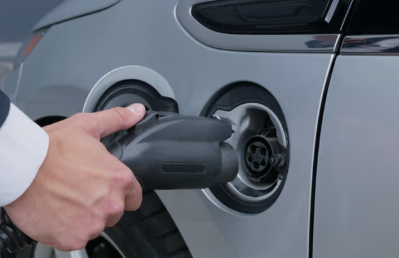
An EV charging network provider is a company that builds, operates, and maintains a network of public charging stations. Think of them as the modern equivalent of familiar gas station brands, but with a crucial layer of technology. They are not just selling electricity; they are selling access, reliability, and a digital experience managed through a smartphone app. This app is your key—used to locate chargers, initiate a session, and process payment.
It is important to acknowledge that this infrastructure is still maturing. You will encounter chargers that are out of order, speeds that do not match what is advertised, and pricing models that can be confusing. Recognizing this reality is not a critique of the technology, but a necessary prerequisite for navigating it successfully.
A Multi-Network Road Trip
To properly evaluate the current state of affairs, I undertook a planned route that would force me to use three of the largest non-Tesla networks in North America: Electrify America, EVgo, and ChargePoint.
The journey began with Electrify America at a large retail center. Their app was clean, and locating the 350kW-capable station was simple. The initiation process, a “plug and charge” handshake with the car, was flawless. The vehicle immediately began pulling a high rate of charge, adding nearly 200 miles of range in just over 20 minutes. The experience felt like the future.
My next stop, planned in a smaller town, was an EVgo station. These are often found in more convenient, “quick-stop” locations like grocery store parking lots. The charger was a 100kW unit, slower than the first, but perfectly adequate for a top-up while grabbing supplies. The app required me to initiate the session manually, a slightly more involved process, but it was reliable and the pricing was transparent.
The final leg required a stop at a ChargePoint location. Here, the experience was different. ChargePoint primarily sells charging hardware to independent businesses, who then set their own pricing and maintenance schedules. The result is a network of immense size, but variable quality. The first station I tried was out of order. The second, located a few blocks away, worked perfectly. It highlighted a critical distinction: the difference between a centrally managed network and an open-platform network.
Primary Advantages of a Robust Network
- Freedom and Flexibility: A dense, reliable network removes range anxiety and makes long-distance EV travel not just possible, but practical.
- Time Efficiency: High-speed DC fast chargers can add significant range in the time it takes to have a cup of coffee, fundamentally changing the calculus of a road trip.
- Integrated Digital Experience: Modern networks offer seamless app integration for finding stations, checking their real-time status, and managing payments.
How to Select Your Preferred Charging Networks
Your choice of which apps to download and which networks to prioritize should be a strategic one.
- Network Coverage and Density: The first and most important factor is availability. Use an app like PlugShare to examine which networks have the most robust coverage along your most frequent travel routes.
- Charging Speed (kW): For road trips, access to high-speed DC fast chargers (150kW or higher) is critical. For daily top-ups while running errands, a 50kW charger may be sufficient.
- Reliability and Uptime: A charger’s existence is useless if it is not operational. Network reliability is a known issue. Prioritize networks that invest heavily in maintenance and have real-time status updates in their apps.
- Pricing and Payment Structure: Pricing can be per-kilowatt-hour or per-minute. Some networks offer subscription plans that provide lower rates. Understand the model and choose the one that aligns with your usage patterns.
- App Experience: A well-designed app that is fast, intuitive, and provides accurate real-time data is a crucial part of the user experience.
Recommended Networks: A Prioritized Guide for EV Drivers
Based on my extensive travel and testing, I recommend new EV owners approach the public charging landscape in this order.
1. The Tesla Supercharger Network (If Applicable)
For Tesla owners, this is the default and unequivocally superior choice. For non-Tesla owners, its importance is rapidly growing as the network progressively opens to other brands via the “Magic Dock” adapter. The reliability, density, and seamless “plug and charge” experience of the Supercharger network is the gold standard that all others aspire to. If a Supercharger station is available for your vehicle on your route, it should almost always be your first choice.
2. Electrify America
This is the essential network for non-Tesla drivers undertaking long-distance highway travel in North America. Their focus on placing high-power (150kW and 350kW) charging hubs along major interstate corridors is a strategic advantage. While they have faced public criticism for reliability issues in the past, their ongoing investment in next-generation hardware and maintenance is tangible. For pure speed on a road trip, they are a primary option.
3. EVgo
EVgo has carved out a niche as a highly reliable provider focused on urban and suburban areas. Their chargers are often found in prime locations where you will be spending time anyway, such as grocery stores and shopping centers. They have a strong reputation for charger uptime and excellent customer service. If your driving is primarily within a metropolitan area, EVgo is an indispensable part of your charging portfolio.
4. ChargePoint
It is essential to understand ChargePoint as a technology platform rather than a unified network. Its strength is its sheer scale, with more charging ports in North America than any other network. The user experience, however, can vary widely from one station to the next. It is a critical network to have access to due to its ubiquity, but one should always check the recent user reviews and reported status in the app before navigating to a specific station.
The transition to electric mobility is a journey. While home charging will always be the foundation of your experience, a thoughtful understanding of the public EV charging network providers is what unlocks true freedom. It transforms the question from “Can I get there?” to “How will I enjoy the journey?